The best trees for landscaping depend entirely on your specific goals, available space, and local climate. Whether you need deep shade, a privacy screen, or striking curb appeal, certain standout varieties consistently rank as top choices for homeowners and landscape professionals.
1. Privacy Screens & Windbreaks
- Emerald Green Arborvitae: Best for tight spaces. This compact evergreen has a naturally narrow, symmetrical shape, making it ideal for suburban yards and foundation plantings.
- Thuja Green Giant: Best for fast growth. A massive, dense evergreen that grows up to 3 to 5 feet per year, offering an excellent, low-maintenance sound and wind barrier.
2. Shade & Fall Color
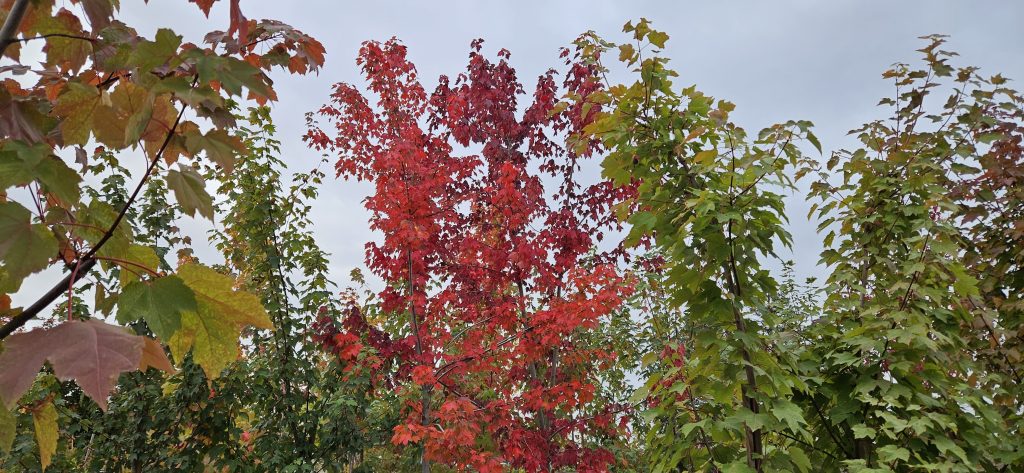
- Red Maple (Acer rubrum): Best for color. Beloved for its stunning bright red or orange fall foliage and robust shade. Cultivars like Autumn Blaze are highly resilient and produce fewer nuisance seeds.
- Tulip Poplar: Best for size and speed. A towering, fast-growing shade tree known for its unique tulip-shaped leaves and yellow-orange spring flowers.
3. Ornamental & Front Yard Curb Appeal
- Japanese Maple (Acer palmatum): Best for focal points. A smaller, artistic tree renowned for its delicate, deeply lobed leaves and vibrant year-round colors. Ideal for smaller gardens or front-yard centerpieces.
- Flowering Dogwood: Best for spring blossoms. A classic, smaller tree that thrives in partial shade and produces gorgeous white or pink blooms.
How to Choose the Right Tree
Before selecting a tree, ensure it fits your specific space and environment:
- Hardiness Zone: Always verify the tree thrives in your USDA Hardiness Zone to ensure it can survive local winters and summers.
- Mature Size: Account for the full mature width and height so it doesn’t outgrow the space or interfere with power lines or home foundations.
- Maintenance Level: Decide how much time you are willing to spend on cleanup; some maples and oaks require significant seasonal raking compared to evergreen options.
To find the perfect fit for your specific property, consider consulting with a certified arborist in your area.